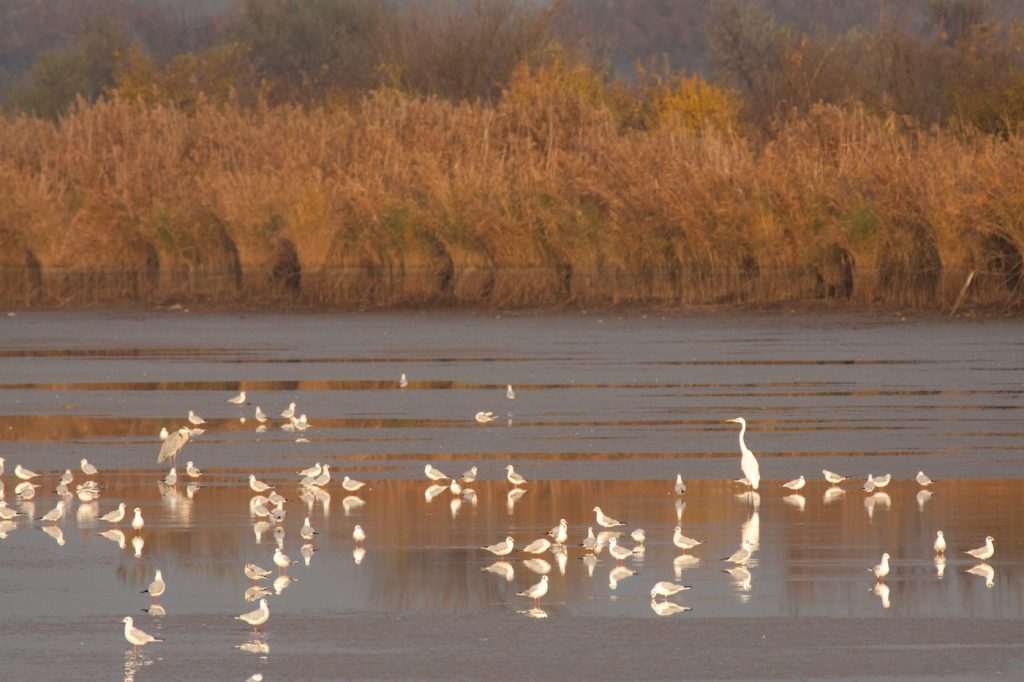

The preservation of the assets and services of the ecosystem is our own personal interest and our national and global responsibility.
The ecological functions of wetlands – including water retention, microclimate regulation, filtration and habitat provision – play a fundamental role in maintaining the stability of natural systems.
Realiscon is an active participant of the preservation, expansion and rehabilitation of wetlands, and it is our goal to further broaden our activities to improve biocapacity.
The protection and restoration of wetlands is not only a nature conservation task, but also an engineering and societal responsibility.
Our goal is to re-establish the balance between natural water dynamics, habitat diversity and landscape stability through conscious, feasible engineering solutions. We achieve this in cooperation with local stakeholders, based on coordinated and consensus-driven principles.
Engineering precision in service of nature
The hydrological balance of surface waters has become increasingly extreme over recent decades; instead of rapid drainage, water retention and landscape regeneration have become key objectives.
Our expertise in hydrology, hydraulic engineering and environmental engineering enables us to design lakes, storage reservoirs, rivers and streams, as well as the rehabilitation and reconstruction of wetlands.
By combining this knowledge with experience gained through our project management assignments, we develop effective solutions that coordinate the interests of ecosystems, society and the economy.
Key elements of wetland, lake, reservoir, stream and river reach design
- assessment of the hydrological, geological and ecological characteristics of the site,
- preparation of analyses and modelling (hydraulic, water balance and climate risk assessments),
- development of nature-based and technically feasible concepts based on the results.
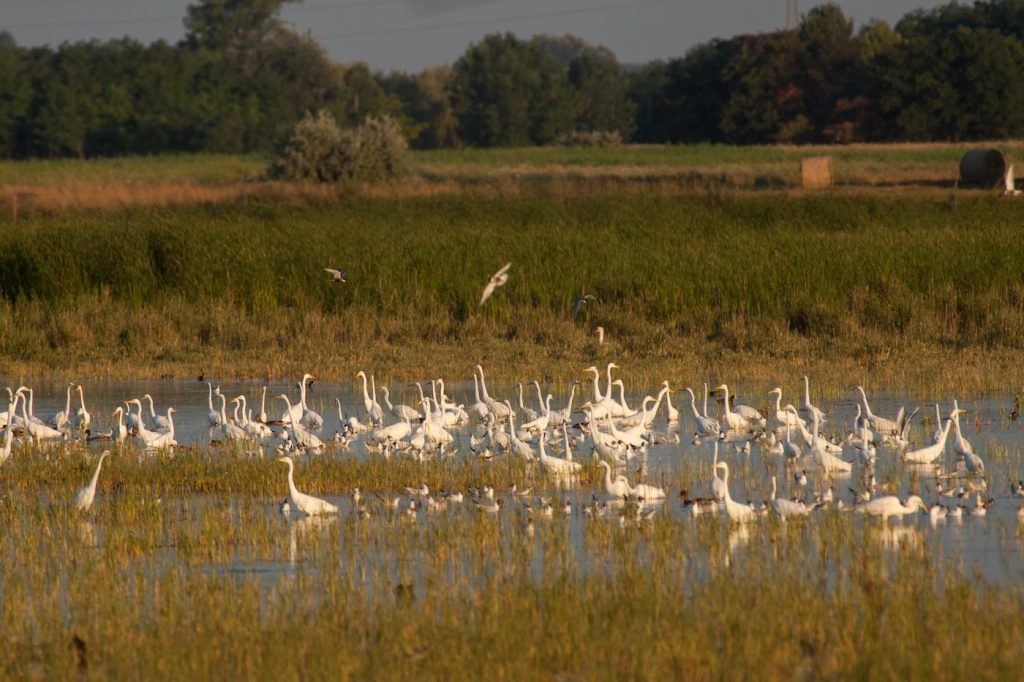
Collaboration for a sustainable environment
Wetland design always requires thorough preparation and accurate data collection. In our projects, the design process begins with a detailed assessment of site characteristics, historical context and ecological conditions, supported by comprehensive geodetic, hydrological, faunistic and zoological surveys.
During the design process, we develop solutions that balance nature conservation and water management objectives, enabling the restoration of natural water regimes and supporting the long-term development of local ecosystems.
Scope of design activities
- restoration of reservoirs, lakes and watercourses,
- development of habitat rehabilitation concepts and water retention programmes,
- climate and flood risk assessments,
- hydraulic modelling and ecological surveys,
- preparation of permitting documentation and environmental impact assessments
(EVD, Natura 2000 Appropriate Assessment, KHV), - design of nature-based water regulation and landscape rehabilitation solutions.
Working closely with our partners, we strive to ensure that projects are environmentally responsible, technically sound and socially accepted.
Realiscon’s designers develop technical solutions based on a deep understanding of natural processes, ensuring that newly created or rehabilitated habitats function as genuine ecosystems – providing water retention, enhanced biodiversity, climate regulation and recreational value.
Because we believe that the best engineering solutions are those that follow the logic of nature.
Service elements
- Development of concepts for the nature-based utilisation of wetlands
- Design of reservoirs and lakes
- Reconstruction, rehabilitation and project-oriented design of wetlands
- Climate risk assessments
- Landscape ecological studies, water resource management planning and hydraulic modelling
- Collection of planning data for nature-based watercourse regulation
(GIS, geotechnical, hydrological and meteorological data) - Preparation of studies to optimise hydrological connectivity and water retention
- Analysis of biodiversity protection aspects and changes in environmental and climate-related parameters
- Permitting documentation and impact assessments
(Preliminary Environmental Assessment, Natura 2000 Appropriate Assessment, Environmental Impact Assessment, water rights permits) - Specialist coordination and project management
Additional Services